


| Quantity: | |
|---|---|


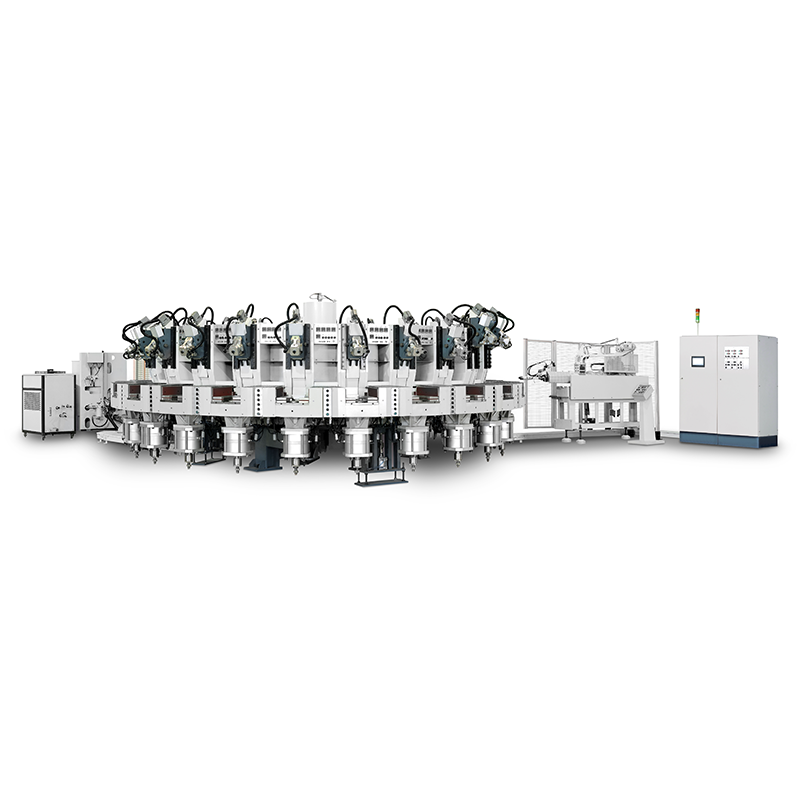
Sourced directly from a premier machinery manufacturer and supplier, this intelligent turntable-type rubber injection equipment is engineered for high-volume footwear production. Designed to meet the rigorous demands of global distributors and large-scale industrial buyers, it delivers unmatched precision, operational stability, and exceptional output consistency.
Step into the future of footwear manufacturing with the Intelligent Turntable-Type Rubber Shoe Injection Machine. Crafted from heavy-duty, industrial-grade steel, the sheer physical presence of this machinery exudes durability and steadfast reliability. When in operation, the rhythmic, muted hum of its advanced hydraulic system replaces the jarring mechanical clatter typical of older models, signaling a highly refined and frictionless production cycle. The tactile finish of the control panels, combined with the polished sheen of the large-diameter material tank, reflects a meticulous attention to engineering craftsmanship. Every component is designed to operate in perfect harmony, ensuring that the molten rubber flows with absolute fluidity and precision into the molds.
This equipment fundamentally transforms the factory floor by addressing the most critical pain points in sole manufacturing. By utilizing a high-pressure resistant tank, it forces the rubber compound into the most intricate mold cavities, resulting in soles that are remarkably thinner yet structurally superior, with tread patterns that emerge sharp, crisp, and flawlessly defined. The subtle scent of heated rubber is tightly managed by the enclosed, precision-regulated heating zones, ensuring a safe and comfortable environment for operators. Ultimately, this machine does not just produce shoe soles; it crafts a foundation of quality that elevates the final footwear product, allowing production facilities to command higher market value while drastically reducing material waste and operational downtime.
Understanding the technical capabilities of your manufacturing equipment is paramount for optimizing production lines and ensuring seamless integration into existing facilities. The following specifications detail the core operational metrics of the Intelligent Turntable-Type Rubber Shoe Injection Machine. Each parameter has been carefully calibrated to provide maximum output with minimal resource expenditure, ensuring that your facility maintains a competitive edge in output volume and product consistency. From the robust clamping force to the precise plasticizing quantity, every specification underscores the machine's capability to handle rigorous, continuous industrial operation.
| Parameter | Specification |
|---|---|
| Model Of Machine | JG116/RU-RU |
| Station | 24 / 30 |
| Mould Frame Size | 200*400mm / 200*430mm |
| Mould Clamping Force | 80KN |
| Rubber Plasticizing Quantity | 26cm³/s |
| Rubber Screw Size | 65mm |
| Control System | Advanced microcomputer control |
| Temperature Control | Closed-loop PID control |
| Hydraulic System | Proportional control of pressure and flow |
| Measuring System | Stroke measuring system with high resolution |
| Automation Options | Support mechanical arm for surface grinding and spraying release agent |
Equipping your production facility with the right technology is the cornerstone of operational success. This injection machinery is packed with innovative features designed to streamline workflows, enhance output quality, and significantly reduce manual intervention across the entire production floor.
In the highly competitive footwear market, the physical properties of the shoe sole dictate the overall value of the final product. This machinery is explicitly engineered to excel in the production of specialized footwear components, specifically focusing on creating anti-corrosive, heat-insulated, and anti-skidding rubber soles. Whether you are producing rugged industrial work boots or high-performance athletic wear, the quality of the output remains uncompromising.
The secret to this superior output lies in the meticulously designed material tank. Featuring a large diameter and exceptional high-pressure resistance, the system forces the rubber compound into the mold with immense, even distribution. This capability directly translates to a significant advantage for production facilities: the ability to manufacture soles that are noticeably thinner without sacrificing structural integrity. Furthermore, the high-pressure injection ensures that every microscopic detail of the mold is filled, resulting in tread patterns that are exceptionally clear, sharp, and highly defined. This level of output quality allows manufacturers to elevate the premium feel of their footwear, ultimately increasing the product's market value and consumer appeal.
Managing defect rates and controlling labor costs are constant challenges for large-scale production facilities. This turntable-type injection equipment addresses these concerns head-on through its state-of-the-art automation capabilities and absolute precision control. At the core of its operation is an advanced microcomputer control system that orchestrates every mechanical movement with zero hesitation, ensuring that the production cycle remains perfectly synchronized from start to finish.
To further eliminate inconsistencies, the equipment is outfitted with a stroke measuring system boasting incredibly high resolution. This ensures that the injection measurement and the exact movement of the injected material are accurate to the fraction of a millimeter. Beyond its internal precision, the machine is designed for the modern, fully automated factory floor. It seamlessly integrates with external robotic systems, supporting mechanical arms dedicated to surface grinding and the automated spraying of release agents. This synergy between internal microcomputer precision and external robotic integration drastically reduces the need for manual labor, slashes the defect rate to near zero, and establishes a highly modernized, self-sustaining production loop.
Operational overhead can quickly erode profit margins if machinery is not optimized for power consumption and speed. Recognizing the critical need for cost-effective manufacturing, this injection equipment features a highly sophisticated hydraulic system built around the proportional control of pressure and flow. Unlike traditional systems that operate at full power regardless of the task, this intelligent setup dynamically adjusts its energy usage based on the specific requirements of each cycle phase.
This proportional control yields a twofold benefit for the production floor. First, it makes the machine's action response remarkably faster. The equipment transitions between clamping, injecting, and releasing with fluid speed, significantly increasing the total output capacity per hour. Second, by only utilizing the exact amount of pressure and flow necessary, the system is inherently energy-saving. It prevents power waste, reduces the thermal load on the hydraulic oil, and extends the lifespan of internal components. For volume-driven manufacturers, this translates to a greener production footprint and a substantial reduction in monthly utility expenditures, perfectly aligning with modern demands for sustainable and cost-efficient manufacturing.
The vulcanization and molding of rubber are processes that are notoriously sensitive to thermal fluctuations. Even a minor drop or spike in temperature can lead to material degradation, incomplete curing, or visual defects in the final product. To safeguard against these costly issues, this machinery is equipped with an uncompromising closed-loop PID (Proportional-Integral-Derivative) control system dedicated entirely to heating management.
This closed-loop system continuously monitors the thermal state of the raw materials, making micro-adjustments in real-time to counteract any environmental changes or operational heat loss. It guarantees that the temperature of the rubber remains impeccably even and constant throughout the entire plasticizing and injection process. By eliminating temperature variances, the machine prevents the rubber from prematurely curing in the screw or failing to fill the mold completely. This steadfast thermal stability is the absolute foundation for maintaining an exceptionally high yield rate, ensuring that continuous, high-volume production runs produce identical, flawless soles from the first shift to the last.
No two production runs are exactly alike, and modern facilities require equipment that can pivot quickly to accommodate different order sizes and product specifications. This intelligent injection machine is built with profound adaptability in mind, offering a scalable solution that fits seamlessly into diverse manufacturing environments. Buyers can select between a 24-station or a 30-station configuration, allowing for precise alignment with the facility's spatial constraints and daily output targets.
Beyond station flexibility, the machine boasts a formidable 80KN mould clamping force, providing the immense pressure required to keep molds securely locked during high-pressure injection, thereby preventing flash and material leakage. Furthermore, it is engineered to accommodate multiple mould frame sizes, specifically the 200*400mm and 200*430mm dimensions. This versatility means that a single machine can be utilized across a wide variety of footwear styles and sizes without the need for extensive retooling or the purchase of entirely separate machines. It empowers production managers to schedule diverse, customized production runs with minimal downtime, maximizing the return on the machinery investment.
Investing in heavy industrial machinery is a significant commitment that extends far beyond the initial purchase. It requires a partnership with a manufacturer that possesses deep industry expertise and a proven track record of reliability. With decades of dedicated experience in engineering advanced footwear manufacturing equipment, our technical foundation is built on rigorous quality control and continuous technological innovation designed to support large-scale operations.
Selecting the right equipment provider is crucial for maintaining a competitive advantage in the global footwear market. We distinguish ourselves not merely as a vendor, but as a strategic manufacturing partner dedicated to elevating your production capabilities and ensuring your long-term success.
Q1: How does the proportional hydraulic system impact the overall energy consumption of the machine?
The proportional hydraulic system dynamically adjusts both pressure and flow based on the real-time demands of the injection cycle. Instead of running at maximum capacity constantly, it only draws the power needed for specific actions, which significantly reduces unnecessary energy consumption, lowers overall operational costs, and minimizes wear on hydraulic components.
Q2: Can this machine handle different types of rubber compounds for specialized footwear?
Yes. Thanks to the advanced microcomputer control and the highly stable closed-loop PID heating system, the machine can precisely regulate temperatures and injection pressures. This makes it highly capable of processing various rubber compounds, including the specialized formulas required for anti-corrosive, heat-insulated, and heavy-duty anti-skidding soles.
Q3: What is the primary advantage of the high-resolution stroke measuring system?
The high-resolution stroke measuring system provides exact, micro-level tracking of the injection mechanism. This ensures that the exact volume of rubber (specifically the 26cm³/s plasticizing quantity) is injected into the mold every single time. This drastically reduces material waste, prevents under-filling, and ensures consistent product weight and density across large production batches.
Q4: Is the equipment compatible with automated robotic systems for a modernized factory floor?
Absolutely. The machine is designed with modern factory automation in mind. It fully supports integration with external mechanical arms, which can be programmed to handle post-injection processes such as surface grinding and the precise spraying of mold release agents, thereby reducing manual labor and speeding up overall cycle times.
Q5: How does the 80KN mould clamping force benefit the production of thinner, highly detailed soles?
Producing thinner soles with clear, intricate patterns requires injecting the rubber at very high pressures to fill every microscopic mold cavity. The robust 80KN clamping force ensures that the mold remains tightly sealed against this intense internal pressure. This prevents any material from leaking (flashing) out of the mold seams, ensuring the sole retains its precise thinness and the tread patterns remain perfectly sharp.


